
Heart Disease and Stroke Recovery
Heart disease and stroke can lead to weakness, fatigue, speech or memory changes, and difficulty with everyday tasks. In‑home caregivers support seniors recovering from these conditions by assisting with personal care, monitoring symptoms, and encouraging safe, healthy routines. With consistent help, clients can feel more secure and supported while remaining in the comfort of home.
Recovery
After a heart event or stroke, many seniors experience weakness, fatigue, or limited stamina. In‑home caregivers help by pacing activities, offering rest breaks, and taking on heavier tasks so clients can focus on healing.
Reduced Mobility
Stroke can cause changes in movement and coordination, making it harder to walk, stand, or use one side of the body. Caregivers provide hands-on support with safe transfers, walking, and positioning to help reduce fall risk and promote comfort.


Speech
Speech and communication can be affected after a stroke, which may lead to frustration or withdrawal. In‑home caregivers use patience, simple language, and supportive cues, and can help reinforce strategies recommended by speech therapists.
Brain Fog
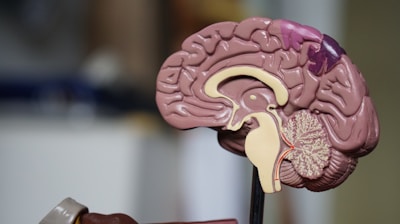
Some clients experience memory or thinking changes following heart problems or stroke. Caregivers assist with reminders, structured routines, and gentle redirection, helping each day feel more organized and less confusing.
Medication & Follow-Up Appointments
Heart disease and stroke often require careful management of medications and follow-up appointments. In‑home caregivers provide medication reminders, help organize pill boxes, and assist with tracking symptoms to share with healthcare providers.



Personal Care
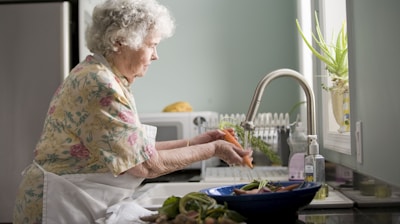
Daily tasks like bathing, dressing, and preparing meals can feel overwhelming during recovery. Caregivers offer respectful, hands-on help with personal care and household activities, supporting dignity, safety, and a better quality of life at home.